Bill Shorten
Written and accurate as at: Sep 09, 2024 Current Stats & Facts
It took Scott Morrison’s “miracle” 2019 election victory to prevent Bill Shorten from being Australia’s prime minister. The former Labor leader, now Minister for the National Disability Insurance Scheme, announced on Friday that he will resign in February to become the vice-chancellor at the University of Canberra.
Losing a so-called “unlosable election” will form part of the political legacy that Mr Shorten leaves behind after serving 17 years in parliament.
Yet he will also be remembered as one of the architects of the NDIS. Appointed junior minister for disability by Prime Minister Kevin Rudd in 2007, Mr Shorten championed the idea of a national disability services scheme that later became Labor policy. His time in politics may ultimately come to be judged by his success or failure as the minister responsible for getting the NDIS under control.
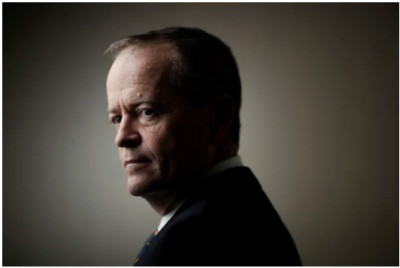
Bill Shorten during his time as opposition leader in 2019. Alex Ellinghausen
The NDIS began with the right intention. The aim was to deliver personalised, life-changing support for a relatively small pool of people with a permanent and severe disability. Another NDIS architect, Professor Bruce Bonyhady, claimed that the scheme would pay for itself by assisting the disabled to find work.
Yet the NDIS has become a monster social program, already bigger than Medicare, and it is on track to cost more than $100 billion in a decade. The uncontrolled expansion in the number of people accessing the scheme and the cost of the support they receive is now part of the stoush between Treasurer Jim Chalmers and the Reserve Bank over the surge in government spending that is worsening inflation.
More than 20 per cent annual growth in the cost of the NDIS, aged care, and childcare is responsible for federal outlays soaring to an equal record 11.8 per cent of GDP in the June quarter. This is adding to demand in the “care” part of the economy that Productivity Commissioner Danielle Wood has warned is less productive and hence makes the challenge of taming inflation even harder.
After Anthony Albanese’s 2022 election victory, Labor promised to save the NDIS from collapse by capping growth in its cost to 8 per cent a year.
NDIS reform is difficult. It is very politically challenging to alter any government entitlement people have come to expect to receive. As KPMG chief economist Brendan Rynne says, politicians who talk about what is realistic for the NDIS to provide “sound uncaring”.
The real problem with the NDIS is that more people have accessed it and received more funding than was ever anticipated.
In opposition, Mr Shorten was part of the NDIS political problem. He compared the projections of the long-term cost explosion to the false weapons of mass destruction intelligence before the invasion of Iraq. He also ran a scare campaign against the Morrison government’s proposed independent reassessments of participants’ needs and level of funding received, which forced that reform to be scrapped.
In government, Mr Shorten’s political focus has been on evicting the “shonks and frauds” from the NDIS to help return it to its original purpose. But the fundamental challenge is how to wind back a scheme that was meant to help those with severe disabilities, but has become a much broader and open-ended social entitlement program for those with milder conditions.
The deal Mr Albanese struck in December with state premiers on NDIS reform partly recognised this. Children with mild autism who have overwhelmed the NDIS are to be diverted to alternative joint state and federal-funded support services.
Some important design questions have also been partly tackled by the changes to the scheme which passed parliament last month with the welcome bipartisan support of the Coalition. These changes, which were proposed by Mr Shorten, will end the “automatic top-ups” that have contributed to the spiralling cost of NDIS plans. Simplified budget and plan rules will also state the supports that can and cannot be funded.
The real problem with the NDIS is that more people have accessed it and received more funding than was ever anticipated. The billion-dollar proof of these changes will be whether they genuinely put the brakes on the scheme.
There is some political angst in the disability sector over the new arrangements. Successful implementation will now fall to the next disability services minister. In Mr Shorten’s successor’s hands will rest not just the fate of Labor’s NDIS reset but also his political legacy.